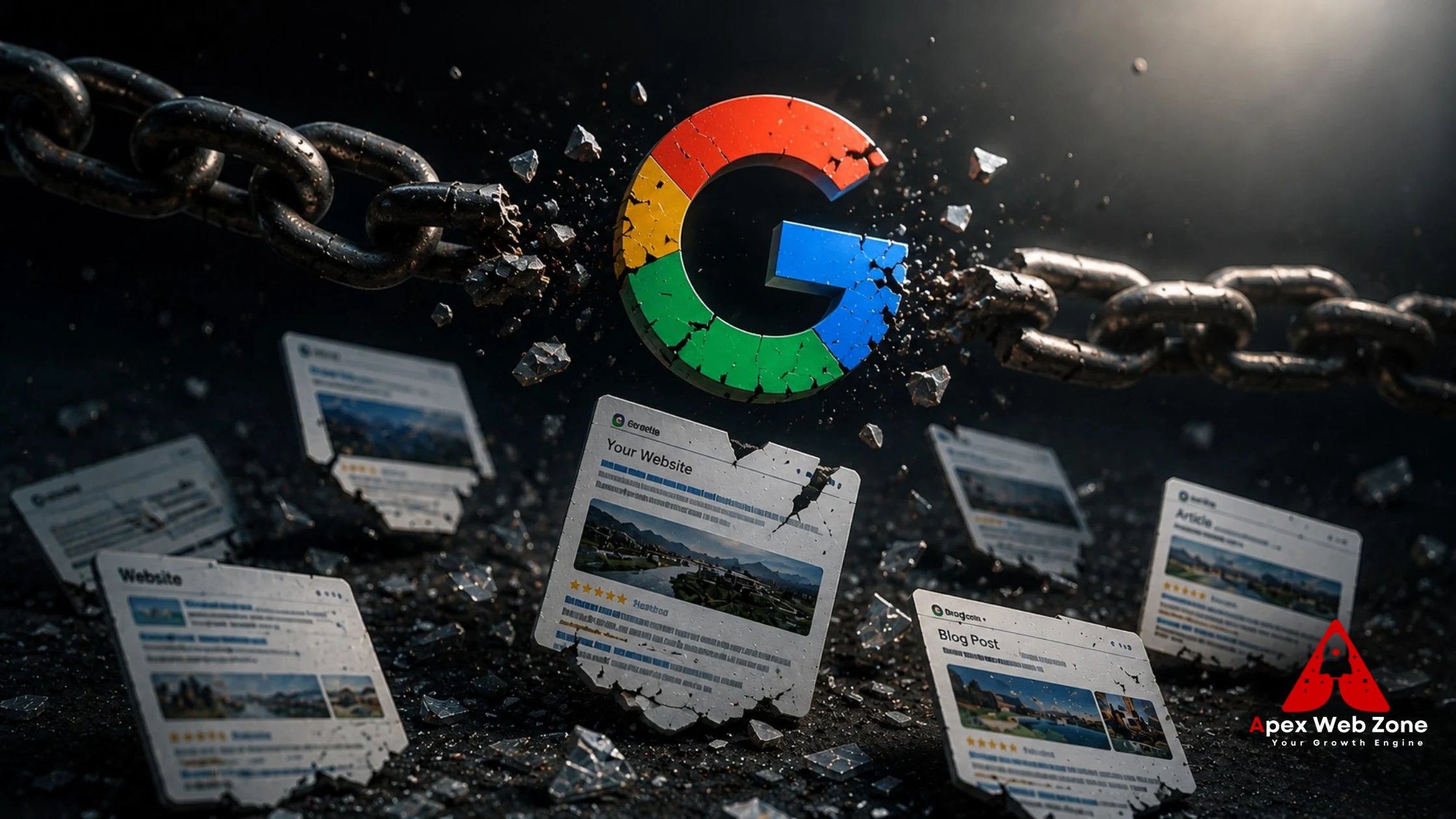
Man stressed at desk looking at declining traffic graph on laptop — organic traffic dropping despite good rankings

You check Google Search Console and everything looks great. Your keywords are sitting on page one. Some are even in the top 3 positions. But when you check your analytics, organic traffic is flat — or worse, it is quietly dropping month after month.

This disconnect between strong rankings and declining traffic is one of the most confusing problems in SEO right now, and it is becoming more common in 2026. In this guide, we break down the hidden reasons why your rankings can look perfectly healthy while your actual visitors disappear — and what you can do to fix it.

The Problem: Rankings Up, Traffic Down

This is the exact scenario many site owners are facing: keyword rankings hold steady or even improve, but click-through traffic from those same keywords steadily declines. It feels counterintuitive — rankings are supposed to be the reward, and traffic is supposed to be the result.

But rankings are only half the equation. A ranking tells you where your page appears in the search results. It says nothing about whether anyone actually clicks through to your site. And in 2026, fewer people are clicking than ever before — even when your page ranks exactly where it used to.

Reason 1: AI Overviews Are Answering the Query Before Users Click

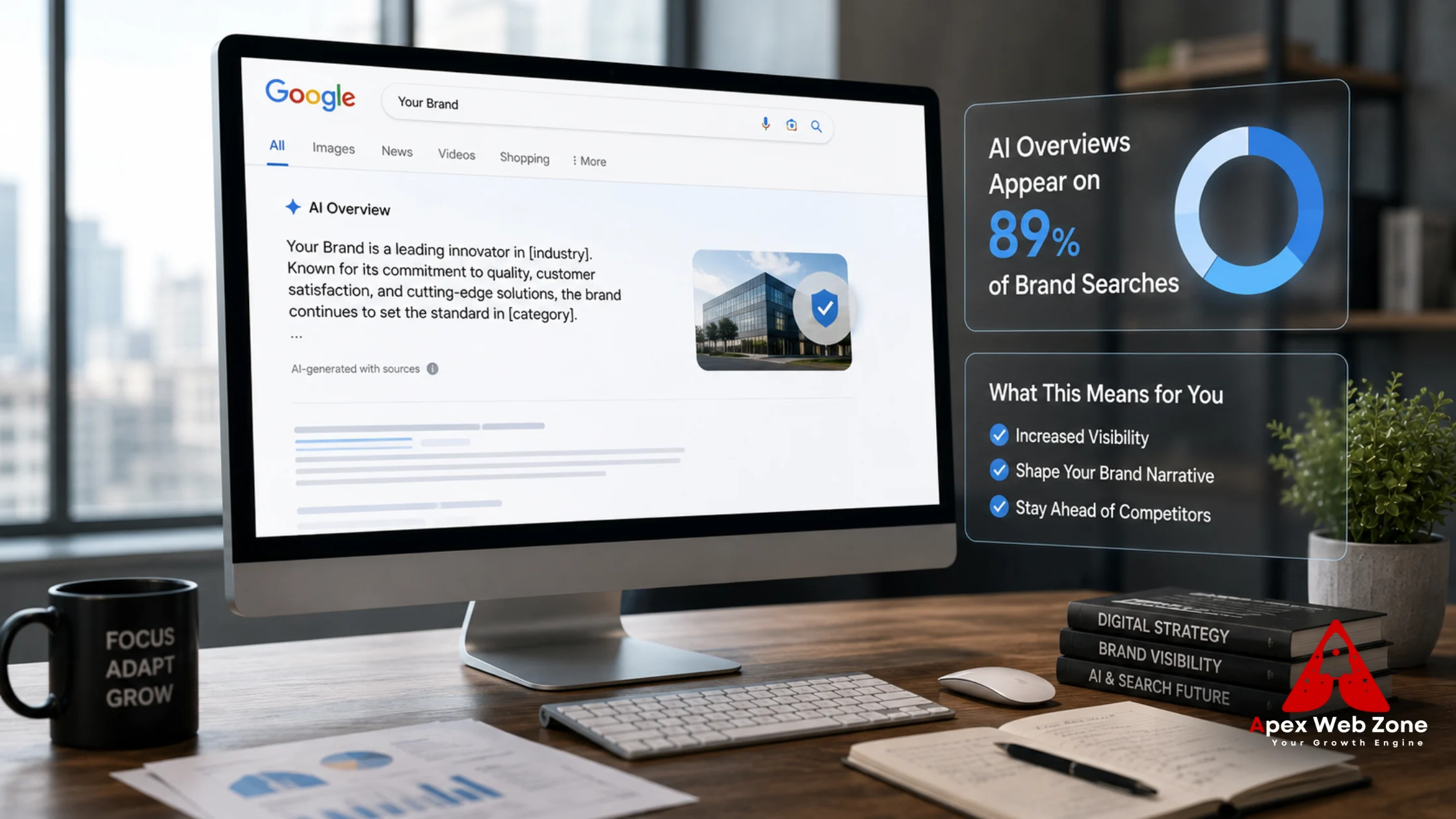
Google’s AI Overviews now appear above traditional search results for a huge range of queries. If your page ranks #1 but Google’s AI Overview already summarizes the answer using your content — or a competitor’s — many users get what they need without ever scrolling down to the organic results.

This is sometimes called a zero-click search. Your ranking position has not changed, but the value of that position has dropped significantly because the search results page itself is now answering the question.

Reason 2: Search Intent Has Shifted, But Your Content Hasn’t

Google constantly re-evaluates what searchers actually want when they type a query. A keyword that used to bring informational traffic might now be dominated by video results, shopping carousels, local map packs, or community discussion threads from forums.

If your page still ranks for the keyword but the layout of the results page has changed around it — with new content types pushed above or alongside your listing — your visibility within that page can shrink dramatically, even if your position number stays the same.

Reason 3: Click-Through Rate Has Quietly Dropped

Rankings are tracked by position, but traffic depends on click-through rate (CTR) at that position. CTR can decline for reasons that have nothing to do with your ranking:

  • Competitors have rewritten their titles and meta descriptions to look more compelling
  • New SERP features (FAQs, images, videos) are pushing your listing further down the visible page, even if your numeric position is unchanged
  • Your title tag no longer matches what users are actually searching for, since search intent evolves over time
  • Branded competitors or large publishers have started ranking above you for the same position range

Search Console shows average position, but it does not always reflect how visible your listing actually is on the page — or how appealing it looks compared to what is now surrounding it.

Reason 4: Seasonal or Demand-Based Search Volume Decline

Sometimes the keyword itself is simply being searched less often. Your ranking position can remain perfectly stable while the total number of people searching that term decreases — meaning your share of a shrinking pie produces fewer total visitors, even though your relative performance hasn’t changed.

This is common with seasonal topics, trending subjects that have cooled off, or older product and service terms being replaced by newer terminology that your content does not yet target.

Reason 5: Cannibalization Between Your Own Pages

If you have multiple pages targeting similar keywords, Google may be alternating which page it shows in results — sometimes ranking Page A, sometimes Page B. Your tracked keyword might show a consistent average position because one of your pages is always ranking, but the actual traffic is being split or redirected between pages in ways that are hard to see in simple rank-tracking tools.

How to Diagnose What’s Really Happening

  • Check Search Console’s Performance report by query and page together. Compare impressions, clicks, and CTR side by side — not just position.
  • Look at SERP features for your target keywords. Search the keyword yourself and note whether AI Overviews, videos, or other features now dominate the page.
  • Review your title tags and meta descriptions. If they were written years ago, they may no longer stand out against newer competitor listings.
  • Check search volume trends. Use a keyword research tool to see if demand for your core terms has dropped over time.
  • Audit for keyword cannibalization. Identify pages on your own site that may be competing with each other for the same queries.

How to Fix Declining Traffic Without Losing Your Rankings

The good news is that fixing this problem rarely means starting over. It usually means refining what you already have.

  • Rewrite title tags and meta descriptions to be more specific, benefit-driven, and aligned with current search intent — this directly impacts CTR without affecting your ranking position.
  • Restructure content to directly and clearly answer the query near the top of the page, which can help you earn placement within AI Overviews rather than being bypassed by them.
  • Add structured data and schema markup so your listing can qualify for rich results like FAQs, star ratings, or sitelinks, which increase visibility on the results page.
  • Consolidate cannibalizing pages into a single, stronger page that consistently ranks instead of splitting authority across multiple URLs.
  • Expand content to cover related questions and subtopics, increasing your chances of capturing additional long-tail queries beyond your original target keyword.

Why This Requires Ongoing Technical and Content Work

Diagnosing a rankings-vs-traffic gap requires a combination of technical SEO, content strategy, and ongoing monitoring — it is rarely a one-time fix. A thorough on-page SEO review can identify whether your titles, headings, and content structure are still aligned with how search results pages look today.

If your content was written some time ago and hasn’t been updated to reflect new search intent or AI-driven result formats, working with a content development process to refresh and restructure key pages can help you recover visibility without losing the rankings you’ve already earned.

For a broader view of how your site is performing across technical, on-page, and visibility factors, a search engine optimization audit can pinpoint exactly where the gap between rankings and traffic is occurring — and prioritize which fixes will have the biggest impact first.

Final Thoughts

Strong rankings used to be the finish line. In 2026, they are just the starting point. The search results page itself has become more crowded, more dynamic, and more likely to answer queries before a click ever happens. If your rankings look great but your traffic is fading, the issue usually isn’t your position — it’s everything around that position that has changed.

If you want a clear picture of why this gap is happening on your site, Apex Web Zone can help you audit your rankings, traffic, and on-page visibility to identify exactly where the disconnect is — and what to fix first.


Rankings measure position only. Traffic depends on click-through rate, search volume, and how the results page itself is structured — all of which can change independently of your ranking position.

AI Overviews are reshaping how users interact with search results, particularly for informational queries. Pages structured to directly and clearly answer questions have a better chance of being referenced within these overviews, which can help offset some of the traffic impact.

There is no fixed schedule, but reviewing them whenever you notice CTR declining — or at least once or twice a year for important pages — helps ensure they still stand out against current competitors.

Thoughtful changes like improving meta descriptions, adding schema, or restructuring content for clarity typically improve or maintain rankings. The risk comes from large structural changes made without a clear plan, which is why a careful audit before making changes is important.

An llms.txt file is placed in your website root and tells AI crawlers what content they can reference. It is part of AXO best practices. While not yet required, implementing it now is a simple step that positions you ahead of competitors. Our WordPress development and Magento development teams can implement this as part of a broader technical SEO package.

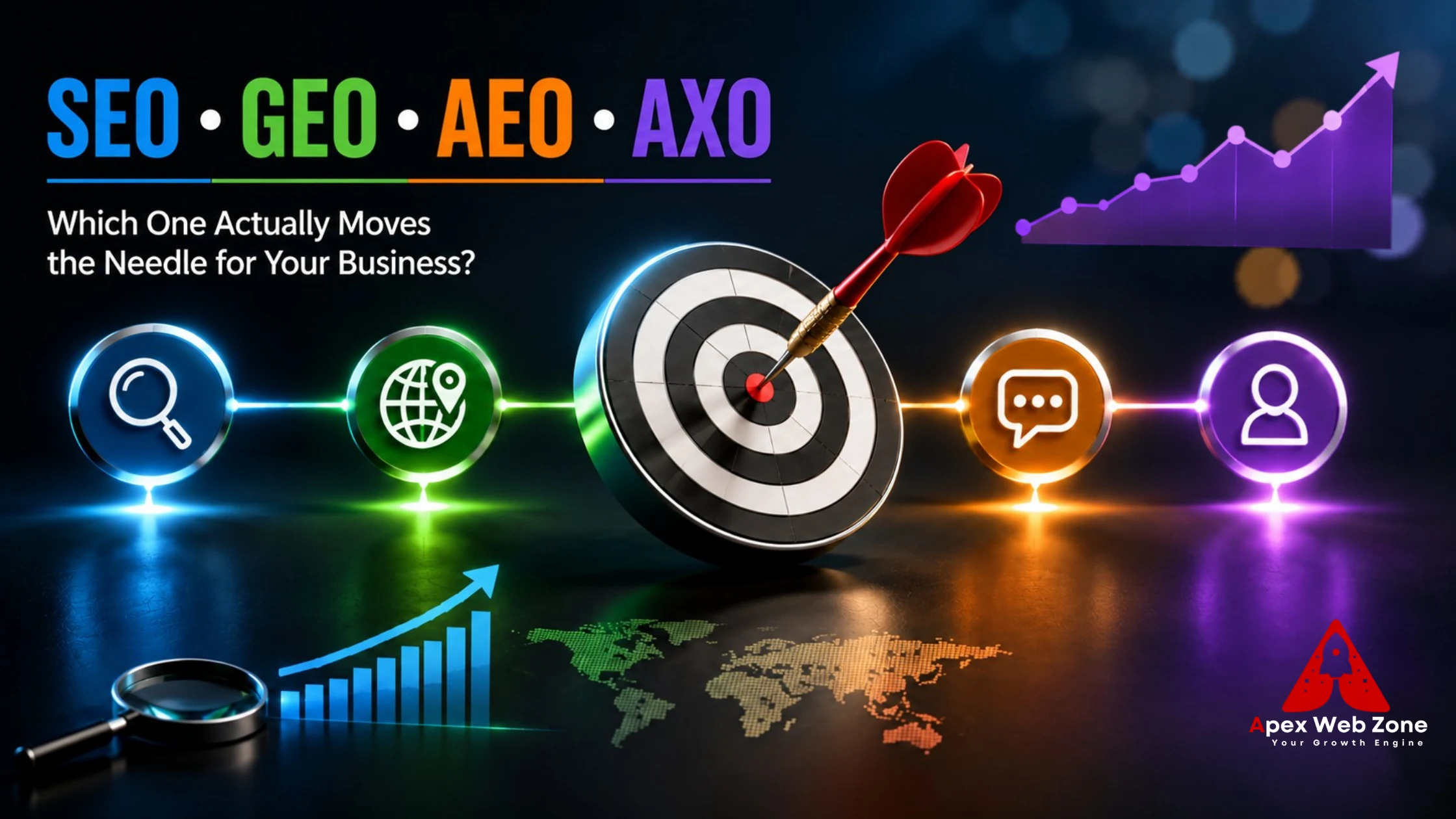
SEO vs GEO vs AEO vs AXO

You’ve heard of SEO. You’ve probably started hearing about GEO. Maybe someone on LinkedIn mentioned AEO or AXO last week and now you’re wondering – do I need all four? Are they replacing each other? Which one should I actually prioritize right now?

This guide cuts through the noise. No fluff, no jargon overload. Just a clear breakdown of what each strategy is, who it’s for, and which one moves the needle for your specific business. If you want expert guidance for your own setup, our 

This is the clearest breakdown you’ll find of all four strategies. And if you want expert help deciding where to start, our SEO services are built exactly for this kind of forward-thinking work.

What Exactly Is SEO? (And Why It Still Matters in 2026)

Search Engine Optimization is the practice of making your website rank higher on Google, Bing, and other traditional search engines. It covers on-page content, technical setup, backlinks, and local presence.

SEO is not dead. Google still handles billions of searches every single day. But the way results are displayed has changed dramatically. AI Overviews, featured snippets, and zero-click answers now sit above the traditional blue links.

This shift is exactly where GEO, AEO, and AXO come in. But without a strong SEO foundation beneath them, none of those three strategies will work. Start with a free SEO audit to understand your current baseline before adding any new layer.

What Is GEO? (Generative Engine Optimization)

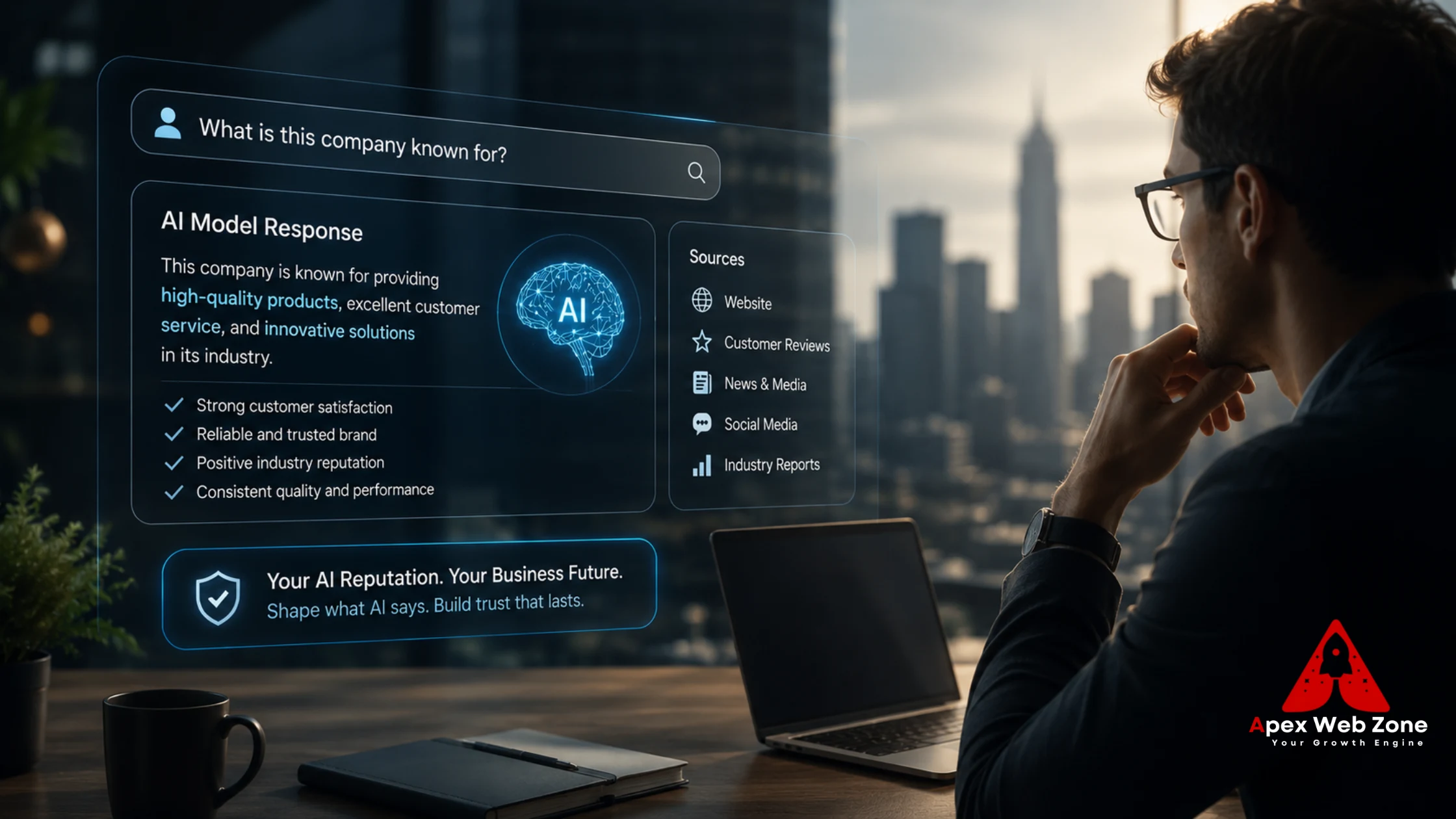
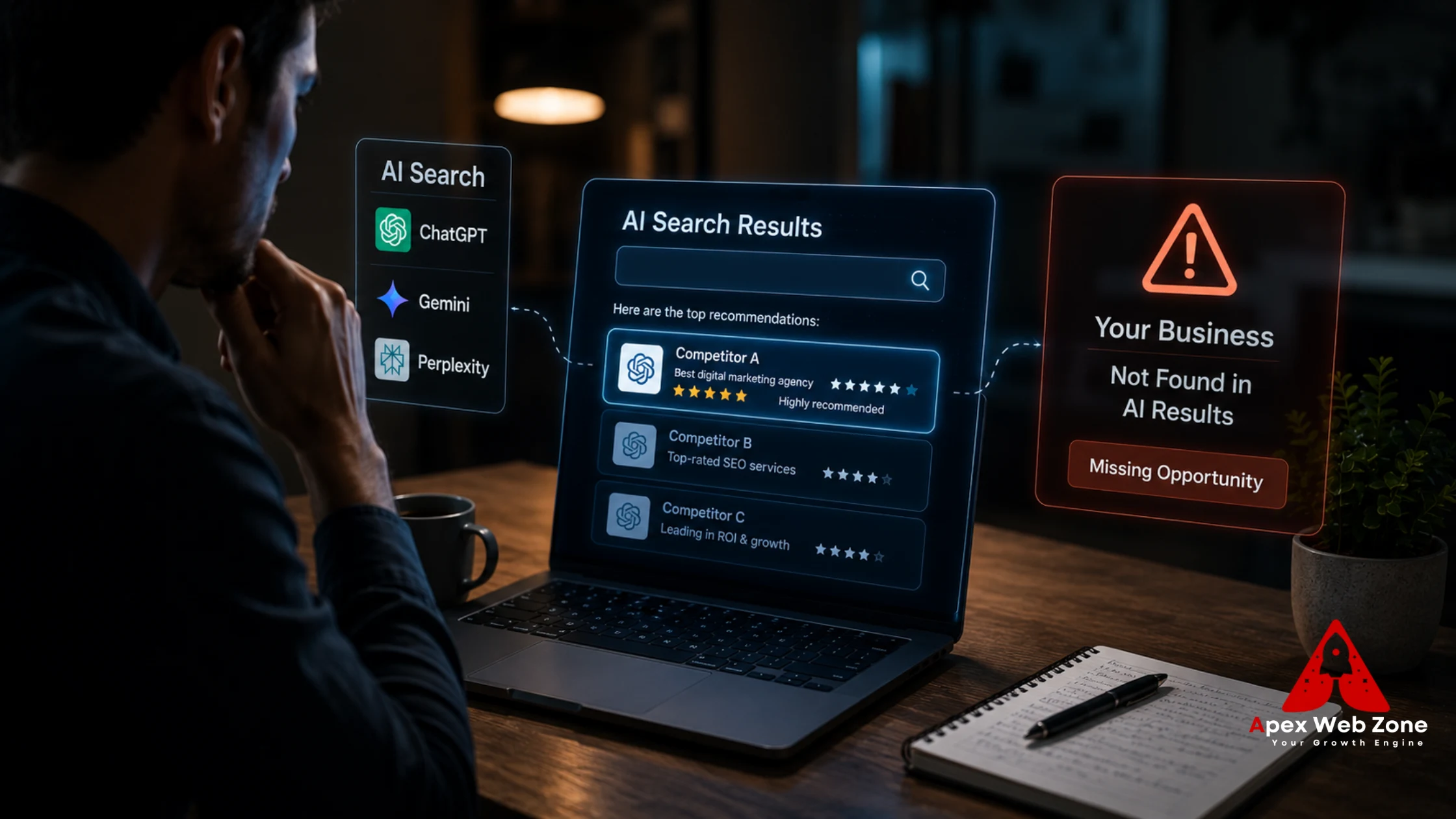
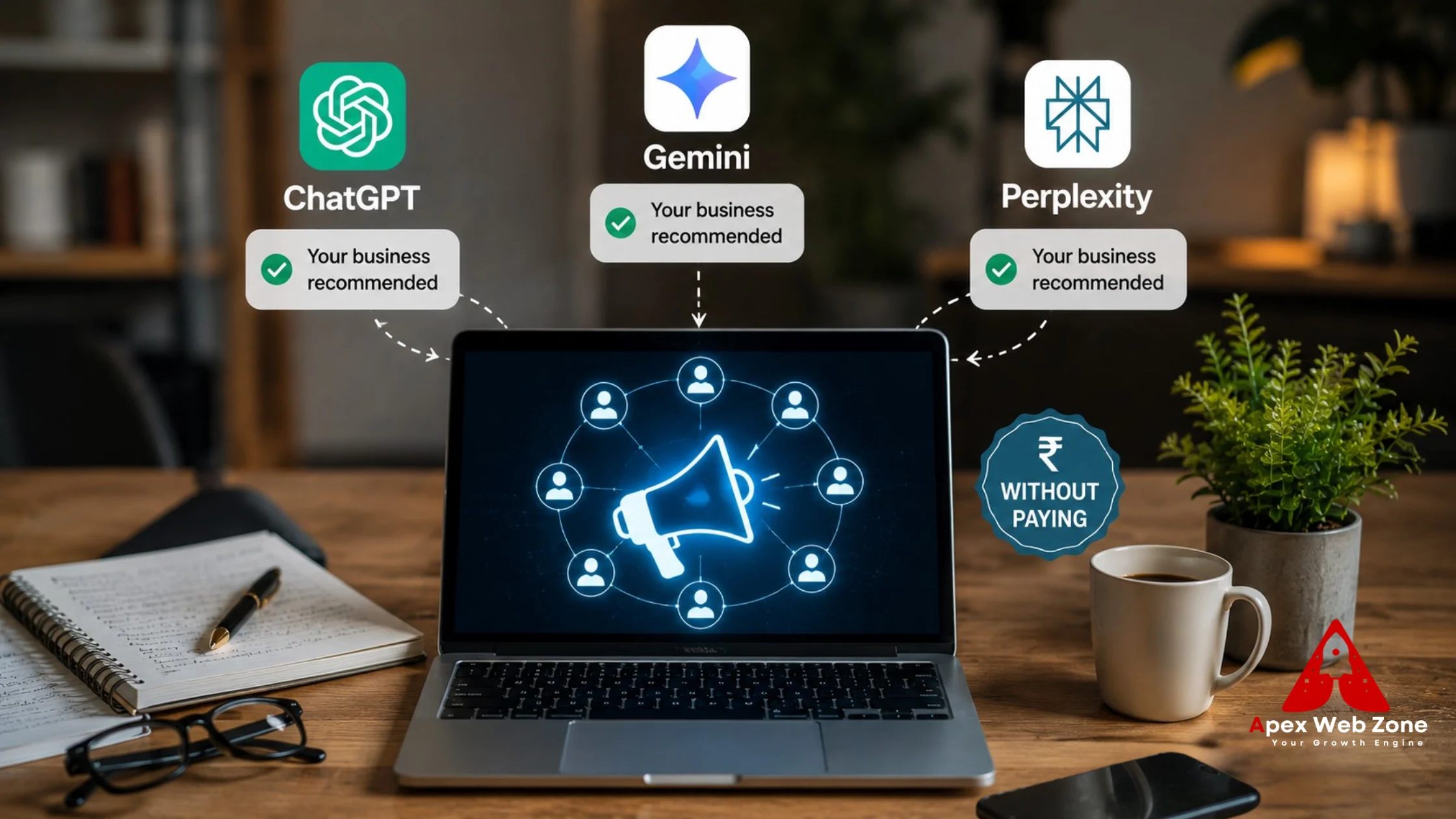
GEO – Generative Engine Optimization – is the practice of optimizing your content so that AI-powered answer engines like ChatGPT, Google Gemini, Perplexity, and Claude cite your brand in their responses.

When someone asks an AI chatbot a question, it pulls information from trusted, well-structured sources across the web. GEO is how you become one of those sources.

What GEO focuses on:
  • Building topical authority on specific subjects
  • Earning mentions on high-authority sites, forums, and publications
  • Creating structured, factual, citable content
  • Consistent brand entity signals across the web
  • Getting into AI training data and live retrieval indexes
Who should prioritize GEO?
  • B2B brands wanting to appear in AI-generated buying guides
  • Content publishers and media sites
  • Agencies and consultants building thought leadership – our SEO experts can help you map exactly which publications to target
  • Any business that wants to be the answer, not just a result

Real example: If someone asks ChatGPT “What is the best seo company can do?” – GEO optimization is what puts your brand name in that answer.

What Is AEO? (Answer Engine Optimization)

Answer Engine Optimization is about structuring your content to directly answer specific questions – so search engines and AI systems can extract and display your answer as a featured snippet, voice result, or AI Overview.

AEO predates GEO but is more relevant than ever. Google’s AI Overviews pull heavily from well-structured FAQ content, HowTo schema, and concise paragraph answers.

AEO tactics include:
  • FAQ schema markup on key pages
  • HowTo structured data for process-based content
  • Writing concise 40-60 word direct answers at the top of each section
  • Targeting question-based keywords – what, how, why, best, when
  • Optimizing for voice search and conversational queries
Who should prioritize AEO?
  • Local businesses targeting near-me voice searches
  • Informational sites and knowledge bases
  • E-commerce pages answering product-specific questions
  • Any page targeting featured snippet positions – this ties directly to strong on-page SEO principles

Key difference from GEO: AEO focuses on getting your exact content displayed. GEO focuses on getting your brand cited as a source. Both matter – but they require different content approaches.

What Is AXO? (AI Experience Optimization)

AXO – AI Experience Optimization – is the newest and most technical of the four. It focuses on making your website, product, or content compatible with AI agents, automated tools, and API-driven workflows.

As AI agents like ChatGPT’s browsing mode, Perplexity’s shopping agent, and Google’s Agentic Search begin to take actions on behalf of users – booking, purchasing, comparing, extracting – AXO ensures your platform is visible and usable by these systems.

AXO includes:
  • Structured data that AI agents can parse and act on
  • Clean, machine-readable product and service information
  • API availability and proper documentation
  • llms.txt files to guide AI crawlers
  • Ensuring checkout and conversion flows work in agentic contexts – our WordPress development and Shopify teams handle this technically
Who should prioritize AXO?
  • SaaS platforms and software products
  • E-commerce stores targeting AI shopping agents
  • Travel, finance, and booking platforms
  • Any business where transactions happen online

AXO is the frontier. Most businesses aren’t there yet – but the ones investing in it now will have a significant advantage as agentic AI becomes mainstream in 2026 and beyond.

SEO vs GEO vs AEO vs AXO

Quick comparison of all four optimization strategies

StrategyTargetOutputBest forAI-readyTimeline

SEO

Search Engine Optimization
Google and BingRankingsAll businessesPartial3–6 months

GEO

Generative Engine Optimization
AI answer enginesBrand citationsBrands and publishersYes6–12 months

AEO

Answer Engine Optimization
Voice and featured snippetsDirect answersLocal and informationalYes1–3 months

AXO

AI Experience Optimization
AI agents and APIsActions and dataSaaS and eCommerceFullyOngoing

Which One Moves the Needle for Your Business?

Here’s the honest answer: it depends on where you are in your digital growth journey.

If you’re just starting out – Start with SEO

Before GEO, AEO, or AXO can work, you need a crawlable, indexed, authoritative website. SEO is the foundation. Get your technical basics right, build topical authority, and earn backlinks. Start with a free SEO audit to see exactly where you stand.

If you have SEO basics covered – Add AEO next

Structure your existing content for direct answers. Add FAQ schema. Target question keywords. This is the fastest win after SEO and directly impacts Google AI Overviews and voice search visibility.

If you’re growing a brand – Layer in GEO

Start building your presence on third-party sites, forums, and publications. Create citable, authoritative content. Our SEO experts can build you a GEO outreach plan tailored to your niche.

If you run an online platform or SaaS – Invest in AXO

Prepare your platform for the agentic web. Implement structured data and clean information architecture. Whether you run WordPress, Magento, or Shopify, the technical foundation needs to support fast indexing and clean crawlability.

The Smart Approach: A Layered Strategy

The businesses winning in 2026 aren’t choosing one – they’re stacking all four in the right order:

Layer 1 – SEO: Build the foundation (3-6 months)

Crawlable site, technical basics, keyword-targeted content, backlinks. Everything else depends on this.

Layer 2 – AEO: Capture direct answers (1-3 months)

FAQ schema, HowTo markup, question-keyword content. Fast wins that pay off across Google and AI Overviews.

Layer 3 – GEO: Build brand authority in AI (6-12 months)

Third-party mentions, publication features, citable research. Compounding returns over time.

Layer 4 – AXO: Prepare for the agentic web (Ongoing)

Machine-readable structure, llms.txt, API-friendly pages. The businesses investing here now will dominate in 2027.

Final Thoughts

SEO, GEO, AEO, and AXO are not competing strategies. They are complementary layers of a modern digital presence. SEO gives you the foundation. AEO captures direct answer placements. GEO builds your brand into AI memory. AXO prepares you for the agentic future.
The businesses that treat these as a unified stack – not separate silos – are the ones that will dominate search visibility in 2026 and beyond.
The door is wide open right now. Most competitors haven’t started. If you want to make sure your brand is positioned correctly for both traditional search and AI-driven discovery, our SEO services are built to cover exactly that. Or speak directly with our SEO experts to build a strategy tailored to your goals.


Yes. SEO remains the most important foundation for digital visibility. AI search features are built on top of traditional web indexing – meaning strong SEO directly supports GEO and AEO performance as well. Without it, none of the other three strategies will gain traction.

No. Start with SEO, add AEO once your content library grows, then layer GEO and AXO as your brand matures. Trying to do all four simultaneously without a strong foundation dilutes your effort and slows everything down.

GEO is about getting your brand cited as a trusted source by AI systems. AEO is about getting your specific content displayed as a direct answer. GEO is brand-level. AEO is content-level. They work together but require different tactics.

GEO is a long-term strategy. Expect 6-12 months before you see consistent brand citations in AI-generated responses. However, early signals like brand mentions on authority sites can appear in AI responses within 2-3 months of focused effort.

An llms.txt file is placed in your website root and tells AI crawlers what content they can reference. It is part of AXO best practices. While not yet required, implementing it now is a simple step that positions you ahead of competitors. Our WordPress development and Magento development teams can implement this as part of a broader technical SEO package.

As we venture into 2024, the world of graphic design continues to evolve, reflecting changes in technology, culture, and consumer preferences. Staying updated with the latest design trends is crucial for businesses and designers looking to create impactful and relevant visual content. Apex Web Zone is dedicated to keeping you at the forefront of design innovation. Here are the top graphic design trends to watch in 2024.

Minimalist Design:

Minimalism remains a strong trend in 2024, characterized by clean lines, ample white space, and a focus on simplicity. This design approach emphasizes clarity and functionality, making content easily digestible. Expect minimalist designs with bold typography and subtle colour palettes that convey messages clearly and effectively.

Bold and Bright Colors:

While minimalism dominates, bold and bright colors are also on the rise. Vibrant hues can create striking contrasts and draw attention to critical elements. Designers are experimenting with unexpected colour combinations and gradients to make designs pop and stand out in a crowded digital space.

3D and Immersive Design:

3D elements and immersive design experiences are becoming increasingly popular. Advances in technology allow designers to create hyper-realistic 3D visuals that engage users and add depth to their creations. This trend extends to web design, where interactive 3D elements enhance user experience and engagement.

Retro and Vintage Styles:

Nostalgia continues to influence graphic design, with retro and vintage styles making a solid comeback. Designs inspired by the 70s, 80s, and 90s aesthetics are prevalent, incorporating bold typography, neon colors, and vintage textures. This trend appeals to audiences’ nostalgia, adding a unique, timeless design charm.

Asymmetry and Broken Grid Layouts:

Asymmetrical designs and broken grid layouts are gaining traction, challenging the conventional grid system. These designs create visual interest and unexpectedly guide the viewer’s eye through the content. Asymmetry allows for more creative freedom and can make a design feel more dynamic and engaging.

Hand-drawn and Custom Illustrations

Hand-drawn and custom illustrations add a personal and authentic touch to designs. This trend emphasizes originality and creativity, moving away from generic stock images. Custom illustrations can convey brand personality, tell stories, and create a more intimate connection with the audience.

Motion Graphics and Animation:

Motion graphics and animations are becoming essential components of digital design. Animated elements can capture attention, explain complex ideas, and enhance storytelling. From subtle micro-animations on websites to full-scale animated videos, incorporating motion into your design strategy is necessary in 2024.

Sustainable and Eco-Friendly Design:

As sustainability becomes a global priority, eco-friendly design practices are gaining prominence. This trend involves using sustainable materials, Eco-conscious colour schemes, and promoting messages of environmental responsibility. Brands are increasingly highlighting their commitment to sustainability through their visual identity.

Geometric Patterns and Shapes:

Geometric patterns and shapes provide structure and harmony to designs. This trend involves using geometric forms like circles, triangles, and polygons to create visually appealing compositions. Geometric designs can convey a sense of order and modernity, making them suitable for various applications.

Inclusive and Diverse Design:

Inclusive and diversity in design are more important than ever. This trend focuses on representing various cultures, genders, ages, and abilities in visual content. Inclusive design ensures everyone feels seen and valued, fostering a sense of belonging and connection with broader audiences.

Conclusion

A blend of art movement, bold experimentation, and a focus on genuineness and inclusion marks the graphic design landscape in 2024. By staying attuned to these trends, designers can create compelling visuals that resonate with audiences and stand out in the digital age.

Apex Web Zone specializes in innovative graphic design solutions tailored to your brand’s unique needs. Contact us today to learn how we can help you leverage these trends and elevate your visual presence in 2024. Let’s create something extraordinary together!

As we venture further into 2024, the digital marketing landscape continues to evolve at a speedy pace. Staying ahead of the latest trends is crucial for any business looking to maintain a competitive edge. At Apex Web Zone, we are dedicated to helping you navigate this dynamic environment. Here are some strategies to ensure you stay on top of digital marketing trends this year.

Embrace AI and Machine Learning:

Artificial Intelligence (AI) and Machine Learning (ML) are revolutionizing digital marketing. These technologies can analyze vast amounts of data to predict consumer behaviour, personalize content, and automate various tasks. Incorporating AI-driven tools such as chatbots, predictive analytics, and personalized marketing can significantly enhance your marketing efforts.

Prioritize Video Content:

Video continues to dominate the digital landscape. Platforms like Facebook, YouTube, and Instagram Reels are more popular than ever. To stay ahead, invest in creating high-quality video content that is engaging and shareable. Live streaming is also gaining traction, offering a way to interact with your audience in real time and build a more personal connection.

Focus on Voice Search Optimization:

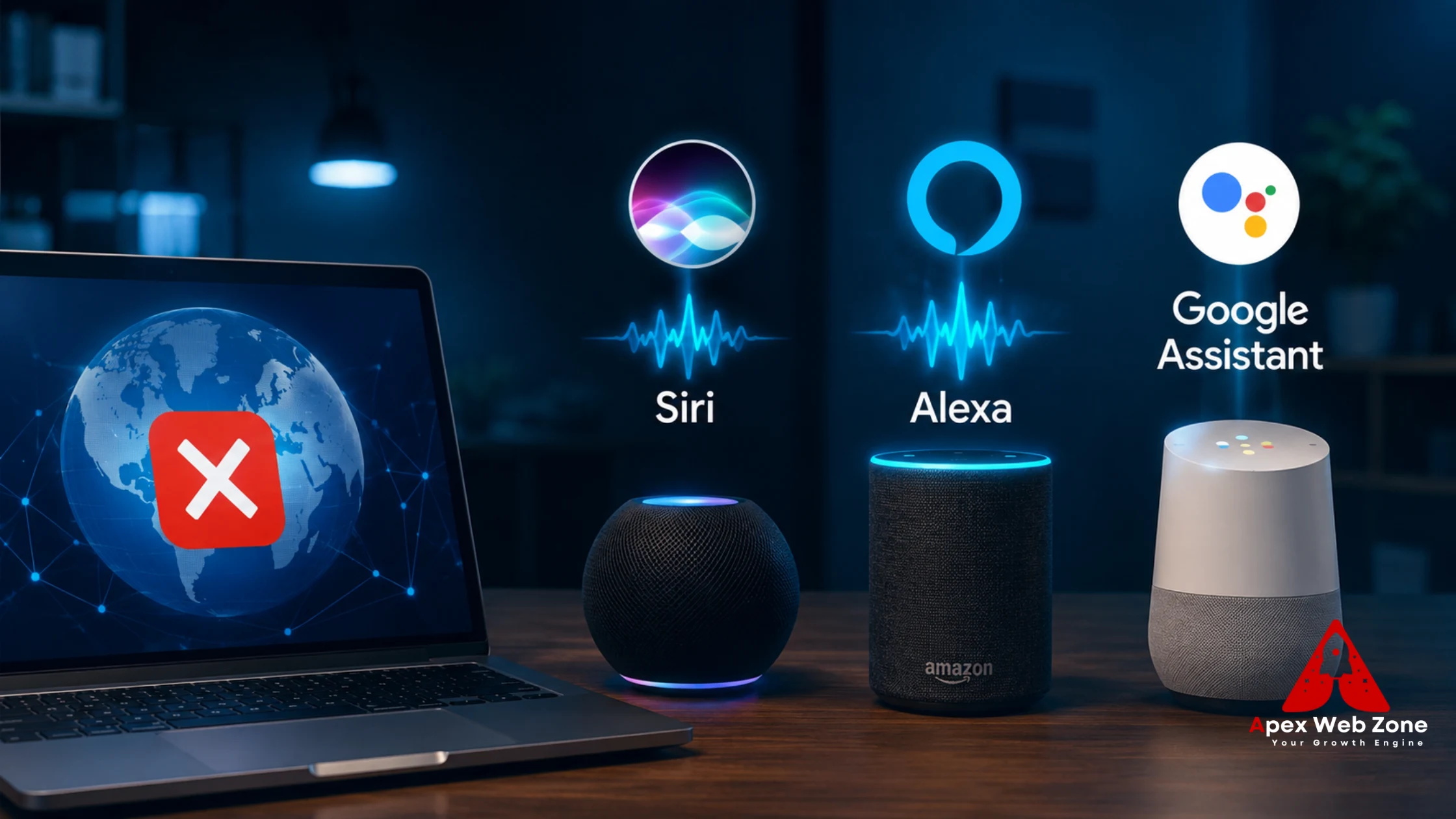
With the rise of smart speakers and voice-activated assistants like Alexa and Google Home, optimizing your content for voice search is becoming increasingly important. This means using natural language, answering specific questions, and ensuring your content is easily accessible. Implementing these strategies can improve your visibility in voice search results and attract more traffic.

Leverage Influencer Marketing:

Influencer marketing continues to be a powerful tool for reaching new audiences. Collaborating with influencers who align with your brand can help you tap into their follower base and gain credibility. Micro-influencers, in particular, often have highly engaged audiences and can be more cost-effective than partnering with more prominent influencers.

Utilize Advanced Analytics:

Understanding your audience and measuring the success of your campaigns is crucial for staying ahead. Advanced analytics tools provide insights into consumer behaviour, campaign performance, and return on investment (ROI). By leveraging these tools, you can make data-driven decisions and continuously optimize your marketing strategies.

Personalize Your Marketing Efforts:

Consumers expect personalized experiences. Use data to tailor your marketing messages to individual preferences and behaviours. Customized emails, product recommendations, and targeted ads can significantly enhance customer engagement and loyalty.

Stay Active on Social Media:

Social media remains a crucial component of any digital marketing strategy. Stay active on platforms where your audience is most engaged. Keep up with platform updates, algorithm changes, and emerging trends. Regularly post engaging content, interact with your followers, and utilize social media advertising to reach a broader audience.

Invest in Content Marketing:

High-quality content is the backbone of digital marketing. Create valuable, informative, and engaging content that resonates with your audience. Blogging, eBooks, whitepapers, and infographics are excellent ways to provide value and establish your authority in your industry.

Adapt to Privacy Changes:

With increasing concerns about data privacy, it’s essential to stay informed about regulatory changes and adapt your strategies accordingly. Ensure your data collection practices are transparent and compliant with laws such as GDPR and CCPA. Building trust with your audience through ethical data practices is more important than ever.

Continuously Educate Yourself:

The digital marketing landscape is constantly changing. Stay ahead by continuously educating yourself and your team. Attend industry conferences, webinars, and workshops. Follow leading marketing blogs, podcasts, and thought leaders. Staying informed will help you adapt quickly to new trends and maintain a competitive edge.

At Apex Web Zone, we understand the challenges of staying ahead in the ever-evolving digital marketing world. By embracing these strategies, you can ensure your business remains at the forefront of digital marketing trends in 2024 and beyond. For more insights and personalized strategies, visit our website and let us help you achieve your marketing goals.

Conclusion,

Staying ahead of digital marketing trends requires a proactive approach and a willingness to adapt. By leveraging AI, prioritizing video content, optimizing for voice search, and utilizing the other strategies outlined above, you can position your business for success in 2024. Keep learning, stay flexible, and let Apex Web Zone guide you through the ever-changing digital marketing landscape.

As we step into 2024, the digital marketing landscape continues to develop at a rapid pace. Staying ahead of these changes is crucial for businesses aiming to maintain a competitive edge. At Apex Web Zone, we are dedicated to helping you navigate these emerging trends and investing them to grow your brand. Here’s a look at some of the most significant trends in digital marketing for 2024.

AI-Powered Marketing:

Artificial Intelligence (AI) is revolutionizing digital marketing. In 2024, AI-driven tools and platforms will become even more sophisticated, offering more profound insights into consumer behavior and preferences. These tools can automate tasks such as content creation, ad placement, and customer service, allowing businesses to operate more efficiently and effectively.

Key Takeaway: Embrace AI-powered tools to enhance personalization and improve decision-making processes.

Voice Search Optimization:

With the increasing use of smart speakers and voice assistants, optimizing for voice search is no longer optional. By 2024, it’s predicted that over 50% of all online searches will be voice-based. This shift needs a focus on conversational keywords and phrases that reflect how people naturally speak.

Key Takeaway: Optimize your content for voice search by using natural language and focusing on long-tail keywords.

Video Content Dominance:

Video content continues to dominate the digital landscape. Platforms like Facebook, YouTube, and Instagram are central to consumers’ online experiences. Live streaming and short-form videos are viral, offering authentic and engaging ways to connect with audiences.

Key Takeaway: Invest in video content creation, including live streaming and short-form videos, to capture and retain audience attention.

Personalization at Scale:

Consumers expect personalized experiences. In 2024, leveraging big data to deliver highly targeted content and offers will be critical. Personalization goes beyond using a customer’s name; it involves delivering relevant content based on their behaviors, preferences, and interactions with your brand.

Key Takeaway: Utilize data analytics to create personalized marketing campaigns that resonate with your audience.

Social Commerce Growth:

Social media platforms are evolving into influential e-commerce hubs. Features like Buy Now posts and in-app checkout options are making it easier for consumers to purchase directly from social media. This trend is set to grow, with more brands integrating their e-commerce strategies with social media.

Key Takeaway: Enhance your social commerce strategies to streamline the shopping experience directly on social platforms.

Sustainable and Ethical Marketing:

Consumers are increasingly conscious of environmental and social issues. Brands that demonstrate a commitment to sustainability and ethical practices are more likely to earn consumer trust and loyalty. Transparent and authentic communication about your brand’s values and practices is essential.

Key Takeaway: Promote your brand’s sustainability efforts and ethical practices to connect with socially conscious consumers.

Augmented Reality (AR) Experiences:

Augmented Reality is transforming the way consumers interact with products online. AR allows customers to visualize products in their natural environment before making a purchase, enhancing the shopping experience and reducing returns.

Key Takeaway: Incorporate AR features into your online shopping experience to provide an interactive and immersive customer journey.

Content Quality Over Quantity:

In 2024, the emphasis will be on creating high-quality, valuable content rather than focusing solely on quantity. Content that educates, entertains, or solves problems will be prioritized by both search engines and consumers.

Key Takeaway: Focus on producing high-quality content that provides real value to your audience.

Blockchain for Digital Marketing:

Blockchain technology offers new opportunities for digital marketing, particularly in enhancing transparency and security. It can be used to verify the authenticity of ads and combat ad fraud, ensuring that marketing budgets are spent effectively.

Key Takeaway: Explore blockchain applications to improve transparency and trust in your digital marketing efforts.

Inclusive Marketing:

Inclusive marketing ensures that your campaigns are accessible and relevant to a diverse audience. This involves using inclusive language, diverse imagery, and considering the needs of people with disabilities.

Key Takeaway: Develop inclusive marketing strategies to reach and resonate with a broader audience.

At Apex Web Zone, we are committed to helping you harness these emerging trends to achieve your digital marketing goals. Stay tuned to our blog for more insights and updates on the latest in digital marketing.

By integrating these trends into your digital marketing strategy, you can position your business for success in 2024 and beyond. If you need personalized advice or support, don’t hesitate to contact our team at Apex Web Zone. We’re here to help you grow in the ever-evolving digital landscape.

Magento

Ever want to judge how good is the Magento website developed? Well, just look at their magneto development process and you will know. The pros in the development process must understand what it takes to build an impeccable magneto-based website, and now we know it too.

The process of development never ends! Some tweaks, some edits are always required to enhance the website’s performance.

So, what does an effective Magneto development process looks like?

Magento

Let’s explore!

1. It Starts with Business Analysis

Yes, the first step is to analyze the business, as everyone has their own specific story. Who are your targeted customers and what specifications do you need on the website? The first step, indeed, is to get indulged in knowing the business and understanding every bit of it for better Magneto development. The more one knows about the business, the better. So, before starting anything, one must deeply understand the business and analyze all the pros and cons to develop a highly reliable Magneto based website that works.

2. Preparing the Relevant Strategy

The next move is to prepare the strategy for building the best magneto website. Developers must rely on a highly reliable strategy to make things work. Not only the development team must think of some innovative ideas, but also rely on advanced tools and technologies to build extraordinary web solutions using the Magneto development process.

Magneto Design

3. Design the Magneto Site

The first impression is going to stay with your customers, no matter what. The development team must focus on building an attractive design that leaves an unforgettable impression on your customers. Innovative UI design that displays a seamless and smooth web page with perfect scrolling options is a must.

4. Development and Integration

The offshore development team that you have picked must be utilizing all cutting-edge technology, which will help them in setting off their competitors. Your programmers must write the code from scratch and optimize it for cross-platforms and devices. Proper Magneto development allows intense customizations with much ease, allowing the results to be better and bigger. For this, a proper development process needs to be followed.
– Set up the web hosting
– Write the Code
– Optimize for cross-platforms
– Fact-finding
– Customizing third-party software

5. Launching

Magneto coders launch the website after a thorough scrutinization of the entire development and integration process. For this, they indulge in testing and QA, and once that is done, a final review waits to be completed. The development team must ensure that there are no loopholes in the final product, and the customer is contented with what is presented to them. Moreover, proper and thorough training and guidance are also provided to users, so that there is no confusion or hindrance in operating the site and every feature of the final product.

So, a good launch relies on:
– Thorough testing and QA
– Final review
– The Launch
– Complete training and constant support

6. Complete Management

The process of good Magneto development doesn’t just end at launching the site. It extends to the complete management even after the site is up there on the web. Everything is seen thoroughly after going live, right from the apt customizations to the UI and UX. Nothing should fall short of the quality that was promised in the beginning. Well, that requires constant upgradation and proper maintenance to manage the performance of the Magneto based website. The security checkup and back are a must!

Management Tips

So, hey, if you were thinking to get a Magneto based website designed, make sure your development team follows this process for delivering an impeccable site that attracts your customers and brings better ROI.

FB Ads

Have you been trying to do Facebook ads lately?

If yes, this blog is just for you!

Newbies might feel the trouble to create the apt Facebook ad and hit the targeted customers.

We don’t wish you to spend money on your latest Facebook ad campaign and lead to a wrong path. You might hope to get countless leads, but if that doesn’t convert into your potential customers, there is no point in starting a Facebook ad campaign.

FB Ads

Believe us, you are not the only one making mistakes while creating your Facebook ads.

There are tons of people who are investing in creating their Facebook ad campaign but don’t know how to start. Or, they simply end up making tons of mistakes while setting up the campaign.

Let’s just not repeat those mistakes, which some people have already made. We have learned from them and here are some mistakes to avoid when building a Facebook ad campaign.

Top Five Mistakes to Avoid When Setting Up Facebook Ads

1. Unclear Campaign Objectives

What is the first step to creating an outstanding Facebook ad that works? Be clear about what you want to achieve with the Facebook ad. Your Facebook ads need to have one of these objectives.
– Increasing the website’s traffic
– Increase conversions
– Direct leads to a specific landing page
– Boost immediate sales

It is best to achieve a particular objective with your Facebook ad. Plan out the objective before you publish it.

2. Target Wrong Customers

Not knowing which section of the customers to target can hurt your Facebook ad campaign. You might have done everything right – from setting up the budget to creating a creative ad. But when you don’t know who to target, every other effort is a waste.

So, make sure to target the right people so that these potential leads don’t just visit the link, but stay there and invest in your product or services.

Wrong Way

3. Not Focusing on Customers Pain Points

You might have created the best of the solutions, but if you are not successful in hitting the pain point of the customers, what’s the point of creating the solutions?

The solution is to create ads that are solution-based instead of focusing on people-focused solutions.

They don’t want you to sell them anything, rather fix their pain points by offering the solutions right away.

Make your Facebook ad about your customer and not the solution that you are willing to sell. That means you are helping your customers and not forcing them to buy anything – be it your product or service.

4. Budget Concerns

Your Facebook ads are limited to a certain budget, as you are not willing to pay more towards creating the ads. That’s a wrong move!

How much should you spend on Facebook ads? How to decide that?

Well, you will have to see different factors, including how many ad campaigns do you wish to start with. What is your objective to run these ads and what are you expecting out of these ads?

Facebook’s strength is to work with different budgets, though. Still, you will have to work on your advertisement needs for a successful Facebook campaign.

Also, pick the apt ad delivery optimization that matches your campaign. Keep in mind the scheduling time to avoid your ad’s non-performance.

FB Working

5. Don’t Forget About It After Publishing

No, you don’t just have to publish it once and forget about it after that. Facebook ads need constant checks and tweaks if needed.

It is vital to keep an eye on the progress and analysis of the Facebook ads, and that’s where most of the people lack.

The Takeaway Message

Running Facebook ads can be irresistible, and that’s when most of us make mistakes. Try and avoid these slips for a successful ad campaign.

google analytics

PPC drives traffic to your website (targeted traffic), to be precise. The use of apt keywords, promoting the products and services, and allowing better traffic to your website are some common advantages of utilizing PPC.

Pay each time, customers hit your ads, and your site gets traffic – that’s how it works.

But how does anyone Launch a successful PPC campaign (for the first time)?

google analytics

Let’s find out!

Steps to Launching an Effective PPC Campaign, First Time

Here are some effective ways to launch your first PPC campaign:

1. Research Matters!

Begin with proper research – an honest approach when researching would make your PPC campaign a success.

Find out the real objective of starting and running paid campaigns and ads.

Research should result in more conversions and better leads.

Gather customer data, find relevant keywords, write the text for ads, and wait to prepare for the steps further.

2. Check Keywords Demand

Now, rely on a good keyword research tool to figure out whether the keywords you are going to use really in search or not.

There is no point working on keywords that no one searches.

You can always use Google Keyword Planner or maybe, Ubersuggest to find the trending ones.

Core SEO

3. Sort Keywords, and Structure Them

The third step is to act smart now – sort the keywords based on your target audience.

Keep the keywords tighter and relevant to make it easier for ads to perform. Tweak your keywords, modify them, and utilize the sorted list of keywords for your PPC ads.

For instance, the term ‘motor’ has less purchase intent than ‘commercial electric motor.’

4. Negative Keywords Work

So, if it is your first PPC campaign, you can use negative keywords too.

The intent is to pull together as many clicks as you can.

Add ‘negative’ in terms that are not related to your ad. It should be targeting the audience, who has nothing to do with your product or service.

It is money-saving and one of the best strategies to sidestep any inappropriate clicks.

5. Revise Your Budget

Since it is going to charge you a few bucks, you should be ready with the same to manage your PPC ads and campaign.

Understand the objective of your ad campaign, realize how much money will go into it, and can you really manage with that much money.

Once you have answers to these questions, proceed.

6. Know Your Competitors

Study your competitors, and learn from their mistakes.

Don’t repeat the mistakes as you have already researched your competitors.

7. Create your Ad Copy

It is essential to create good ad copies for better ROI.

The sole motive of the content is to generate clicks and conversion.

Create an effective ad copy and let your targeted audience click on the link to initiate the sales.

8. CTA should be Attractive

CTAs must incorporate powerful words, including Buy, Click, Get, Free, Best, Save, Top, and alike, which has the potential to create urgency amongst your targeted audience to click on your PPC ad.

MSG

9. Extensions Works Crazy

The type of extensions that you need for your PPC ad depends on the goal of your ad.

Extensions improve the ad’s presence, attracting more customers and interactions.

Since it offers more user searches, giving better reasons for your targeted audience to click on the ad link.

Here are some extensions that you can add to your advertisement:
– App extension
– Review extension
– Location extension
– Call extension

The Takeaway Message

Build campaigns that actually work! Utilize all steps above to create your first ad campaign and grab as many leads, clicks, and traffic as you can for getting better leads.

Google Adwords

More the traffic, the better. Every business makes efforts to get an abundant of traffic, and utilizing Google ads for it is just one way.

Yes, it can happen pretty faster, if you follow the right path while doing the Google ads.

Being a newbie in Google ads, or maybe, even a pro, one can make mistakes. It is not a big deal, though, as that’s how we learn. But, we can surely avoid it to ensure a seamless Google ad campaign.

Google Adwords

6 Google Ads Mistakes That Will Leave You Broke

Even the best Google ad campaign has gone through a few mistakes. But the point is not to repeat it, but to avoid it so that even you can build a great Google ad campaign.

So, let’s learn those mistakes, so that we can avoid them to experience smoother traffic, leads, and google ads campaign.

1. Avoiding the List of Apt Keywords

Yes, this is what most of us do. We avoid the list of apt keywords, which mainly fall into three main categories, including exact match, phrase match, and broad match. Find your list of keywords based on a good through research to ensure you are using the right ones for your Google ads.

2. Writing BAD Google Ads

Why would anyone read a poorly written ad copy? Some competitors are delivering some extraordinary ads for their Google ads, so why would anyone pay attention to the one that doesn’t have good content, attractive CTA, and a message that is to be delivered to the audience? The key to a good Google ad is to write a good ad copy, for which an Ad extension can also be used.

3. Not Indulging Negative Keywords

This is another ad mistake that most of the people do. Using a negative keyword, you can exclude the keywords that don’t match your services/products. It can minimize the cost while accelerating the revenue. So, if your ads aren’t really converting, make sure to incorporate a negative keyword in the ad copy.

Digital Work

4. Not Testing the Apt Advertisement Position
The quality of your ad relies on the keywords, targeted keywords, and even the click rate. All these factors together decide the position for your ad. Experts even say that the number one position is not always the best position to place your Google ads. Higher positioned ads do get more clicks, but relatively lower conversions. Being in the third to the fifth position is generally the best.

5. Obsolete Conversion Setups

Don’t rely on the obsolete conversion setups as that will affect the ad quality. So, when setting up the Google ads, make sure to answer all these questions:

-What are you tracking with your ads?
-What factors are considered to improve conversions from the ads?
-What generates tracking?
-What is leading to dead conversions that need to be modified?

6. Not Understanding Conversions

So, when you are running a business, it is mandatory to track the conversion and profit margins. Tracking your revenue, conversions, and profit margins are vital for you to improve all these three factors. When you are not tracking your progress, you will not be able to generate sufficient results that help in growing your business. Always keep in mind that you have to know what’s going on in the industry, and test things out before finalizing your Google ad. Most people don’t do that and that’s why lack conversions and profit.

work freedom

The Takeaway Message

When setting up Google ads, it is best to understand all the points that are necessary to make a successful ad. Focus on making good ad copy, research apt keywords, and avoid these mistakes to lead a successful Google ad.

working staff

Technology has evolved so quickly, and we need to do that too. It has been a while that humans are surrounded by technology. The tech industry has grown tremendously over the past few years, and it will continue to grow in the future too. Irrespective of the fact where you are residing, it is impossible for anyone to stay away from technology.

working staff

So, let’s know about the tech trends that are going to stay in 2021, and ahead.

1. 5G Data Networks

Amazon recently releases ‘Amazon Go’ that utilizes IoT aka Internet of Things. This system lets everyone use the IoT to buy the products online without manual checking. It is expected that with 5G data networks, these IoT applications and all other connected devices are going to attain a new high. The environment is all set to use different technologies and sensors, which will allow us to enjoy more scalable and accessible Internet of Things solutions.

2. Edge Computing

Cloud solutions have made life easier and better. People have highly been relying on cloud computing for easier storage that lets them store data online securely. The world has already moved to cloud solutions. Edge computing is designed to provide apt solutions for bigger and larger data issues. The concept of edge computing has already dominated the industries, including the telecom sector as well. The worth of edge computing will rise to $6.72 billion by 2022.

WORKING PROCESS

3. Cybersecurity

Yes, it is a new trend that has already hit the world. Cybersecurity is much needed with the constant development of technology around the world. It has become the priority of every organization, as the new trend demands us to be more digital now. Since the technology is constantly evolving, it has become the responsibility of every organization to adopt cybersecurity and connected services to continue the smooth working of the companies. It would be a smart move to invest in cybersecurity for developing your business, without much hassle.

4. Artificial Intelligence

A well-known technology that is all set to rule 2021. It has been in the use for a while now, but it has time to become omnipresent in almost every single organization. AI technologies are going to rule the world soon. So, we need to be ready to make AI work for us and lead a tech-based life both in our organizations and homes. AI’s usage has multiplied four times now, and it will continue to grow in 2021, and after that. So, it is a wise decision to invest in AI for letting your business grow in the coming years.

5.Blockchain

Many bigger countries have already started using this technology for amplifying their businesses and profits. The increasing trend of blockchain and such measures are already making the business profitable, and it has become the need of the hour to adopt blockchain for better businesses and profits. By 2021, almost every top institution will develop a blockchain to save itself from internet fraud and information safety on a very large scale. Blockchain has already commenced and is here to stay in the tech world for a very long time. The world has already shifted to the blockchain, so it is now your turn to develop a better business using blockchain for fruitful results.

trading chart patterns

So, these tech trends are going to stay in 2021 and even after that. The demand for successful businesses today is investing in all these technologies so that the best output can be received utilizing these technologies. So, invest in all these technologies and be ready to taste the organizational success right away.